

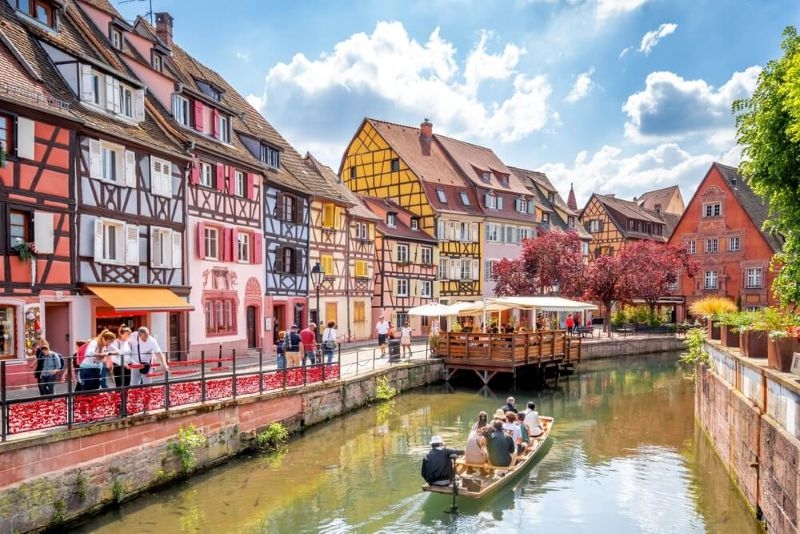
Some places don’t just look old. They feel old. Cobblestones that force travelers to slow down. Church bells echoing through narrow lanes. Windows full of flower boxes like the town is competing in a cuteness contest. That’s the charm of historic European towns. They aren’t trying to impress anyone. They’ve just been around for centuries, quietly doing their thing.
This guide highlights towns that deliver that fairytale vibe in a very real way. Think towers, canals, hilltop views, and streets that make modern life feel far away for a minute. Also included: practical tips, because fairytale streets still come with real weather, real crowds, and very real tired feet.
If someone is craving medieval towns travel, the best strategy is choosing places built for walking, lingering, and getting “accidentally lost” in a good way. These towns are compact, full of small details, and often have a main square where local life still happens: markets, cafes, and that slow people-watching vibe.
Many of these spots also fit the idea of fairytale villages Europe because they’re visually dramatic without being flashy. Stone walls. Painted houses. Rivers and bridges. It’s simple beauty. The kind that sticks.
Rothenburg is the “wait, is this real?” town. It has medieval walls you can walk, half-timbered houses, and alleyways that look designed for movie scenes. It’s one of those historic travel destinations where a basic evening stroll feels like a full experience.
Best Way To Enjoy It:
Colmar looks like a watercolor painting that someone forgot to put away. Pastel buildings, canals, and tiny bridges everywhere. It’s often called “Little Venice,” and it’s one of the most photogenic charming old towns Europe has to offer.
What Makes It Work:
Colmar is the kind of place where travelers take too many photos and then pretend they didn’t.
This one is pure storybook energy. A river wraps around the old town like a ribbon, and a castle towers above everything. The views feel staged in the best way.
Why It’s Memorable:
Cesky Krumlov fits perfectly into cultural heritage towns, because it’s not just pretty. It has layers: architecture, history, and a living local rhythm once travelers step slightly away from the busiest lanes.
Bruges is romantic without trying too hard. Canals, stone bridges, old facades, and the kind of evening light that makes everything glow.
How To Do It Right:
This is one of those towns where slow travel just happens naturally.
Hallstatt is tiny, dramatic, and built beside a lake with mountains rising behind it. It’s extremely popular, so timing matters, but it’s still worth seeing if a traveler plans well.
Tips That Save The Experience:
This place looks like a postcard because it basically invented the postcard look.
Sintra feels like a fairytale that got a little wild. Misty forests, colorful palaces, stone estates, hidden gardens. It’s not strictly medieval, but it’s absolutely fairytale-level.
What To Prioritize:
It’s perfect for travelers who like mystery in their scenery.
Sighisoara is one of the best-preserved medieval towns in Europe, and it still feels lived-in. It has towers, colorful houses, and a hilltop church that makes the whole town look like a miniature world.
Why It Stands Out:
If someone wants medieval towns travel without the heavy crowds, this is a strong choice.
San Gimignano is famous for its towers and hilltop setting. It’s compact, dramatic, and full of views that make Tuscany feel like it’s showing off.
How To Enjoy It:
It’s one of those historic travel destinations where scenery feels effortlessly iconic.
Here’s the trap: travelers try to visit too many towns too quickly. These places are best when enjoyed slowly.
A Better Plan:
Small towns often have earlier closing times. That’s not a downside. It’s a reminder to live at their pace.
If a traveler wants the fairytale vibe with fewer crowds, it helps to go beyond the biggest names. Smaller towns often deliver just as much charm, sometimes more, because they feel less like a stage.
That’s why charming old towns Europe remains one of the best “low stress, high beauty” travel categories. The experience is simple: walk, eat, breathe, repeat.
Many of these towns are protected for a reason. They’re fragile in the sense that overtourism can change them quickly.
A Respectful Approach Includes:
This is where cultural heritage towns deserve a second mention. They’re not museums. They’re communities. The best travelers treat them that way.
If someone is choosing between towns, here’s a simple mood-based shortcut:
Pick By Vibe:
And yes, these historic European towns all deliver that fairytale feeling in different ways. The best one is the one that matches the trip’s mood.
Spring and fall often offer the best balance of pleasant weather and lighter crowds. Early mornings and weekday visits also improve the experience.
Fewer is better. One base town with one or two day trips usually feels more relaxing than constant hotel hopping.
Yes, but timing matters. Visiting early, staying overnight, and exploring quieter streets away from the main viewpoint can make even popular towns feel magical.
This content was created by AI