

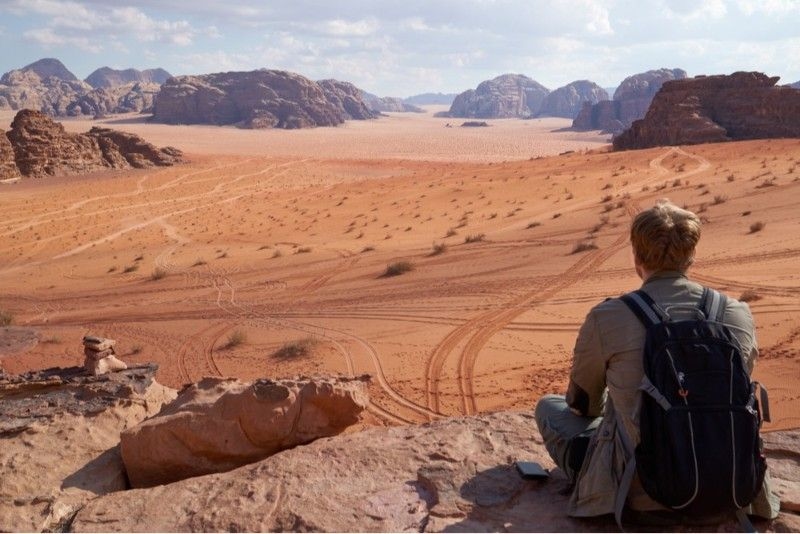
Deserts don’t feel like regular travel. They feel like another planet with better sunsets. The light is sharper. The silence is louder. And the landscapes look almost unreal, like someone turned up the contrast on the world.
But here’s the part people forget: desert travel isn’t only about heat. It’s about extremes. Hot days, chilly nights, long distances, and terrain that can go from smooth sand to jagged rock in minutes. That’s what makes it thrilling. That’s also why planning matters.
This guide highlights unforgettable desert travel destinations that deliver unique scenery, real adventure, and the kind of views that stick in a person’s head long after the trip ends.
If someone is dreaming of open horizons and raw nature, desert travel destinations offer a rare mix: beauty plus challenge. Some deserts are all towering dunes. Others are rock cities, salt flats, and canyons carved like sculpture. Many have night skies so clear they make people stop talking mid-sentence.
The best way to approach desert travel is to pick the vibe first:
Once the vibe is clear, the right destination becomes easier to choose.
There’s a reason desert adventure travel is growing. Desert terrain forces people to slow down and pay attention. Footing matters. Water matters. Weather matters. It pulls travelers out of autopilot.
Popular adventure options include:
Adventure in the desert isn’t always high speed. Sometimes it’s simply walking into a landscape so quiet it resets the brain.
The Sahara is the mental image most people have when they picture dunes. Endless sand, shifting ridgelines, and camps under massive skies. It’s one of the most famous desert locations on Earth, and for good reason.
Travelers often choose Sahara regions that offer guided routes and overnight desert camps. The magic is the contrast: warm sand at sunset, cold air after dark, and a sky full of stars that makes city light pollution feel like a bad joke.
Best experiences here usually include:
This is a destination where guided travel is the smart move. The Sahara is stunning, but it is also easy to underestimate.
Wadi Rum is famous for its dramatic rock towers, natural arches, and wide open desert valleys. It’s one of those places where the camera struggles to capture scale.
This is ideal for travelers who want scenic desert landscapes that aren’t only dunes. Jeep tours, hiking routes, and overnight camps are common. The terrain has variety, and the light changes fast, creating that “wait, it looks different again” feeling all day.
Wadi Rum also works well for mixed travel groups. Some people can hike. Others can explore by vehicle. Everyone still gets the visuals.
The Atacama is often described as one of the driest regions on Earth, which gives it a unique look. Salt flats, rocky basins, and wide skies dominate the experience. It’s one of the most unique desert travel spots for travelers who want something that feels almost alien.
Atacama-style trips often focus on:
Because altitude and dryness can affect the body, travelers tend to do best with a slower pace and hydration discipline.
The Namib is known for its towering dunes and striking contrast between sand, sky, and sparse vegetation. It’s a dream for photographers and anyone who wants big, clean vistas.
This is one of those sand dune destinations where sunrise and sunset matter. The shadows carve patterns into the dunes, and the landscape shifts with every hour of light.
Experiences that stand out:
The Namib feels spacious in a way that’s hard to explain until someone stands there.
For travelers staying in the U.S., the Mojave region and Death Valley area offer dramatic landscapes, salt flats, canyon roads, and rugged hikes. Temperatures can be intense in certain seasons, so timing is everything.
This is a great option for travelers who want desert variety without international planning. And the stargazing can be incredible, especially away from major highways.
Smart choices here include:
Desert travel rewards respect. This region is stunning, but it doesn’t play nice with careless planning.
The Gobi offers a different desert personality: wide open terrain, rocky expanses, and strong cultural travel opportunities. It’s another one of the major famous desert locations, but it feels less like “sand sea” and more like rugged openness.
Trips often include:
This is a destination that tends to feel more expedition-like, which is exactly why some travelers love it.
A desert trip gets better when the basics are handled well:
Deserts are not complicated, but they are unforgiving. Planning is the difference between “best trip ever” and “why did we do this.”
The second mention of desert adventure travel matters because thrill activities can go sideways fast without planning. Off-road driving, dune sports, and long hikes should be treated like real outdoor activities, not casual entertainment.
A good rule is to choose local guides for:
Guides don’t just add safety. They add context. They know where the views are, where the terrain changes, and how to avoid wasting time.
The second mention of scenic desert landscapes is a simple reminder: light is everything in the desert. Morning and late afternoon create depth, color, and shadow. Midday can flatten everything into harsh brightness.
If a traveler wants the best visuals:
This rhythm also matches how the body handles heat better.
The second mention of sand dune destinations belongs here because dunes are deceptively tiring. Walking in sand is a workout, even for fit travelers.
Helpful tips:
Dunes are fun, but they require patience. Slow steps win.
The second mention of unique desert travel spots is the secret to a memorable itinerary. Instead of packing five desert areas into one trip, choose one signature moment:
That single moment often becomes the memory people talk about for years.
Most deserts are most comfortable in cooler seasons or shoulder months. Midday heat can be extreme in summer, so timing matters.
Yes, especially with guided tours and smart planning. Carry water, use sun protection, and avoid remote routes without local support.
Water, sun protection, breathable layers, warm clothing for nights, sturdy shoes, a headlamp, and offline maps are the essentials for most desert trips.
This content was created by AI